
Mastering the Art of Sports Broadcasting: Techniques and Insights
Understanding Sports Broadcasting
Defining Sports Broadcasting
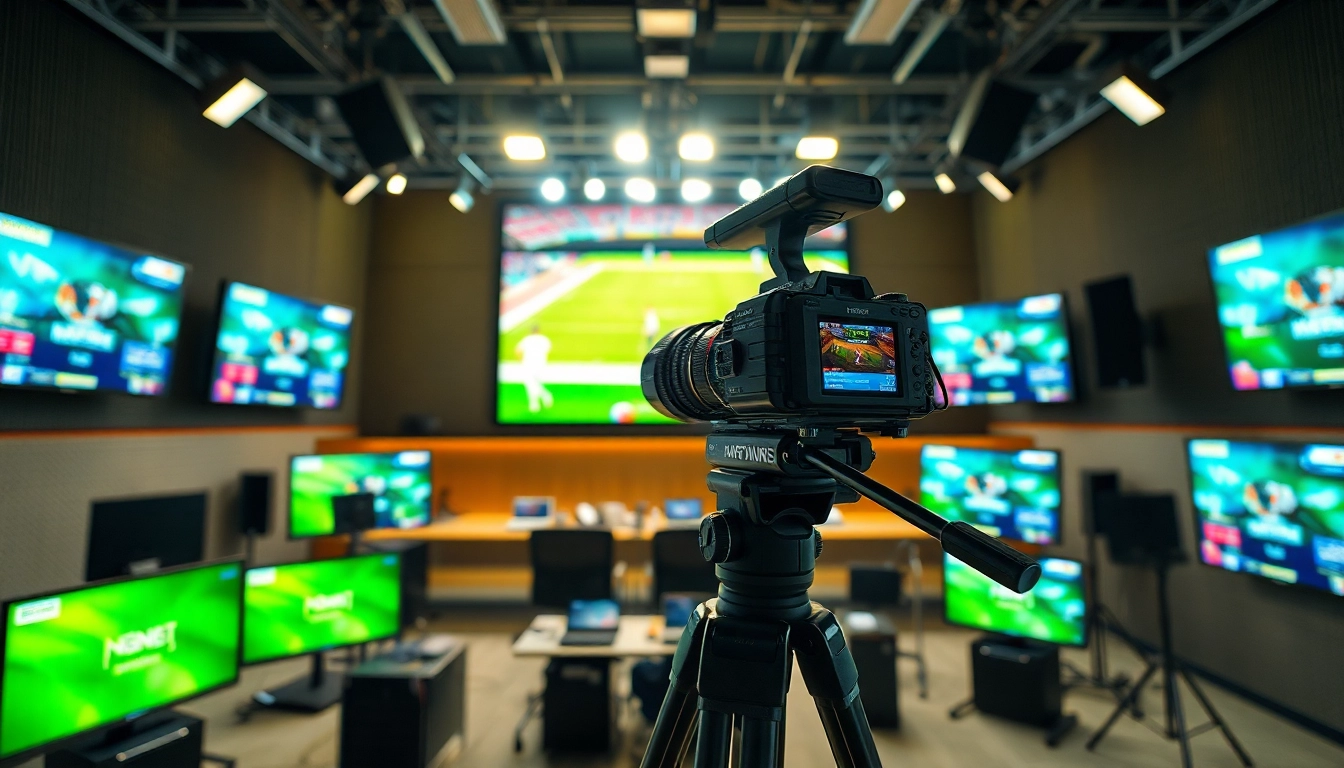
Sports broadcasting encompasses the transmission of live or recorded sporting events to an audience via television, radio, or digital platforms. This medium plays a pivotal role in enriching the viewer experience, as it brings athletic contests directly into homes, fostering a connection between fans and their favorite teams. The landscape of Sports Broadcasting continues to evolve, transforming how content is produced, delivered, and consumed.
The Evolution of Broadcasting Techniques
Sports broadcasting has undergone radical changes since its inception. Initially, events were shared over radio airwaves with simple commentary. The debut of television revolutionized this space, allowing audiences to witness the action unfold visually. More recently, the rise of the internet has led to live streaming, on-demand content, and interactive viewing experiences. Key advancements include:
- HD and 4K Broadcasting: Enhanced picture quality improves viewer engagement and satisfaction.
- Multi-camera Feeds: Provides diverse angles and perspectives of the event.
- Augmented Reality (AR): Engages viewers with interactive elements overlaying the live action.
Key Roles in Sports Broadcasting
The sports broadcasting ecosystem involves various professionals, each contributing expertise. Major roles include:
- Commentators: Provide real-time analysis and storytelling, making the broadcast more enjoyable.
- Producers: Oversee the broadcast’s overall quality and hit the right narrative notes.
- Camera Operators: Ensure smooth communication between what’s presented and how it’s captured.
Essential Equipment for Sports Broadcasting
Cameras and Their Impact on Coverage
Cameras are at the heart of sports broadcasting, acting as the primary medium through which fans engage with events. High-definition and slow-motion cameras allow for an immersive viewing experience. Innovations such as drone cameras and robotic systems create dynamic angles, enhancing the storytelling aspect of the broadcast. Professionals regularly evaluate their camera setups to ensure they highlight critical moments effectively.
Audio Equipment for Clear Communication
Clear audio is critical in sports broadcasting, providing essential commentary and sound effects that heighten the experience. High-quality microphones, sound mixing equipment, and effective noise-cancellation technology contribute to producing a broadcast that is not only enjoyable but also coherent. Achieving excellent audio quality ensures that fans can hear every play call and commentary without distractions.
Graphics and Visual Effects in Broadcasting
Visuals play a significant role in enhancing the viewer’s experience. Graphics provide critical information such as scores, player stats, and event timelines. Advanced technology enables broadcasters to incorporate real-time graphics that respond to ongoing events, creating an engaging narrative flow. Analysts use data visualizations to enhance storytelling, providing deeper insights into games that refine viewer understanding.
Techniques for Engaging Viewers
Narrative Techniques in Sports Broadcasting
Compelling storytelling is essential for engaging sports fans. Broadcasters weave narratives that not only highlight the game but also include personal stories about athletes and teams, building emotional connections. Techniques involve setting up narratives prior to events, using real-time analysis to enrich storytelling, and employing expert commentary to frame the unfolding drama in the game.
Leveraging Social Media for Broadcast Engagement
Social media has transformed viewer engagement during broadcasts. Platforms like Twitter, Instagram, and Facebook allow fans to share their thoughts, fostering a sense of community and engagement. Broadcasters often cross-promote timelines, integrating social media interactions into the live feed. This two-way communication amplifies the viewer experience, altering how sports are consumed.
Analyzing Viewership and Feedback
Understanding the audience’s preferences is key. Sports broadcasters analyze viewership data to tailor content effectively. Metrics such as viewer ratings, demographic insights, and real-time feedback shape future broadcasts. Incorporating audience input ensures relevance and enhances loyalty to the broadcast, making it essential to adapt to the evolving needs of the fan base.
Challenges in Sports Broadcasting
Technical Difficulties and Solutions
Despite technological advancements, sports broadcasting faces numerous challenges such as signal interruptions, equipment malfunctions, and production errors. Implementing robust backup systems, ensuring regular maintenance of equipment, and having contingency plans can mitigate these risks. Training personnel to handle unforeseen issues also enhances operational resilience.
Meeting Audience Expectations
With high consumer expectations, broadcasters must deliver seamless, high-quality content. Fan demands have shifted towards instant replays, interactive graphics, and behind-the-scenes access. Staying ahead of trends, utilizing audience research, and continuously refining content is vital to maintaining audience satisfaction and loyalty.
Adapting to Changing Technologies
The rapid pace of technological advancement requires broadcasters to be agile. Adapting to advancements, such as 5G technology, cloud-based production tools, and mobile streaming, is critical for staying competitive. Investing in ongoing training for staff ensures they are equipped to manage new technologies effectively, promoting innovation in broadcast production.
The Future of Sports Broadcasting
Emerging Trends in Live Coverage
Future trends in live sports broadcasting include the expansion of over-the-top (OTT) platforms and personalized viewing experiences. Fans increasingly expect customizable content, such as choosing camera angles or receiving tailored commentary. The emphasis is shifting toward interactive experiences that go beyond traditional viewing, revolutionizing how sports are consumed.
The Role of Virtual Reality in Sports Broadcasting
Virtual reality (VR) is emerging as a game-changer in sports broadcasting. VR technology offers fans the opportunity to feel like they are part of the action, with immersive environments replicating live events. This technology could redefine viewer engagement, providing entirely new avenues for experiencing sports firsthand from anywhere in the world.
Preparing for 5G and Enhanced Streaming Experiences
5G technology promises to drastically enhance streaming quality and lower latency for sports broadcasts. Broadcasters must prepare for this transition by investing in infrastructure that can handle increased data throughput. Enhanced streaming experiences will facilitate higher-quality broadcasts, allowing fans to watch live sports from multiple angles and in real-time without interruption.
Frequently Asked Questions
What is sports broadcasting?
Sports broadcasting is the transmission of live or recorded sporting events to an audience through various media platforms, enhancing the viewer experience.
How has technology changed sports broadcasting?
Technology has evolved sports broadcasting by introducing HD/4K video, multi-camera feeds, interactive graphics, and live streaming capabilities.
What are the key roles in sports broadcasting?
Key roles include commentators, producers, camera operators, and technicians, each playing a crucial part in delivering a successful broadcast.
What challenges do sports broadcasters face?
Challenges include technical difficulties, meeting high audience expectations, and adapting to rapid technological changes in the industry.
What is the future of sports broadcasting?
The future will likely focus on interactive content, immersive experiences like VR, and enhanced streaming capabilities powered by 5G technology.
